Small Acts, Lasting Impact: Rendcomb's Everyday Leadership Pilot Takes Shape
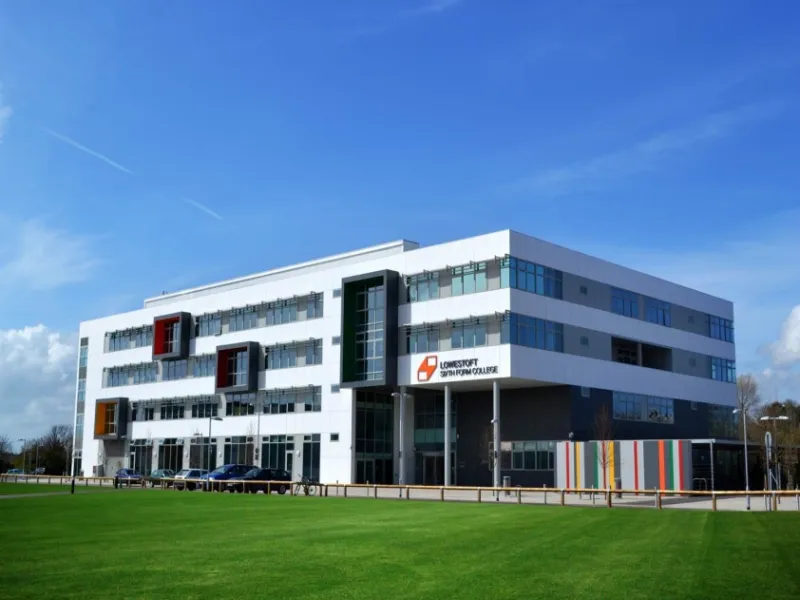
Photo: Sixthform, CC BY-SA 3.0, via Wikimedia Commons
Leadership at Rendcomb has never been confined to the pupils who wear badges or speak from a stage. It is visible in the Year 10 pupil who walks a nervous Year 7 to their first rugby practice, the sixth former who referees a junior fixture on a cold Saturday morning and the boarder who quietly reminds a corridor to switch off lights. These acts rarely appear in newsletters, but they shape the culture of a school.
In 2026, Rendcomb is trying to make that quieter form of leadership more visible without turning it into a competition. A pilot framework, developed by the pastoral team and senior pupils, aims to recognise what staff are calling 'everyday leadership': the small, consistent behaviours that help others to flourish. The pilot is not a new award scheme. It is an attempt to describe, teach and notice the habits that sit behind confidence.
The Case for Quiet Leadership
The case for the pilot is straightforward. Schools can be tempted to equate leadership with hierarchy: prefects, captains, heads of house. Those roles matter, and they give pupils valuable experience of responsibility. But they also risk implying that leadership belongs only to a select group. The everyday leadership framework starts from a different premise: that influence is exercised by many pupils, in many settings, and often without a title.
'We are not trying to dilute the importance of formal roles,' said the Deputy Head (Pastoral). 'We are trying to widen the vocabulary. A pupil who consistently includes others in group work is leading. A pupil who volunteers to show a visitor around is leading. A pupil who says the unpopular but honest thing in a meeting is leading. We want pupils to recognise those moments in themselves.'
The framework identifies four broad domains: mentoring and welcome; service and stewardship; representation and voice; and practical responsibility. These are deliberately broad. Mentoring might mean supporting a younger pupil with reading or helping a new boarder settle in. Service might mean organising a collection for a local food bank or taking a turn on litter-picking duty. Representation might mean speaking at a year group meeting or contributing to the school's sustainability plans. Practical responsibility might mean setting up equipment for a fixture or helping to run a club.
How the Pilot Works
The pilot is being trialled with Year 9 and Year 10 pupils during the 2026 Michaelmas and Lent terms. Pupils are not asked to apply for a position or collect points. Instead, they are encouraged to reflect on their own actions through short tutorials and house discussions. Staff are asked to notice and name everyday leadership when they see it, rather than waiting for end-of-term awards.
A simple reflection card asks pupils three questions: What did I do that helped someone else? What did I learn about myself? What might I do differently next time? The cards are not graded. They are conversation starters, designed to help pupils connect small actions with a growing sense of agency.
Staff have also been asked to consider how they model everyday leadership themselves. A teacher who arrives early to help a pupil with a revision question, a coach who thanks the opposition and a house tutor who listens without interrupting all send signals about what leadership looks like. 'Pupils learn more from what we do than from what we say,' the Deputy Head added. 'The pilot has made us more conscious of that.'
Pupil and Staff Voices
Pupils involved in the pilot describe it as refreshingly unglamorous. 'It is not about being the loudest person in the room,' said a Year 10 pupil, who has been mentoring a Year 7 pupil in mathematics. 'It is about being reliable. If I say I will turn up, I turn up. That has made me more confident, because I know I can be trusted.'
Another pupil, a Year 9 boarder, has taken on the role of welcoming new pupils at the weekend. 'I remember how it felt to arrive and not know where anything was,' she said. 'Now I can be the person who shows someone else. It is a small thing, but it matters.'
Staff have noticed a shift in language. In house meetings, pupils are more likely to describe leadership in terms of behaviour rather than position. 'We hear phrases such as she stepped in or he made sure everyone was included,' said one housemaster. 'That is exactly the kind of language we want to encourage.'
The pilot is not without its challenges. There is a risk that pupils who are already confident become more visible, while quieter pupils remain overlooked. The pastoral team is aware of this and is working with staff to notice leadership in less obvious places: the pupil who listens carefully, the pupil who prepares thoroughly, the pupil who quietly clears up after an event. The framework is being reviewed in the Lent term, with pupil feedback informing its next phase.
What Families Can Look For
For families, the everyday leadership framework offers a practical way to recognise confidence-building moments beyond formal titles. Parents and carers can ask questions that focus on behaviour rather than status: Who did you help today? Who helped you? What did you notice about how someone else led? What small responsibility did you take on this week?
These questions are not designed to create pressure. They are intended to help pupils articulate what they are already doing and to see that leadership is a set of habits that can be practised. Families can also encourage pupils to reflect on the less visible aspects of leadership: keeping a commitment, including someone who might otherwise be left out, or speaking up when something is not right.
The college is planning to share a short guide for families later in 2026, with examples of everyday leadership drawn from the pilot. The aim is not to prescribe a checklist but to open a conversation about what confidence looks like in practice.
A Culture, Not a Badge
The pilot's most important insight may be that leadership is not a destination. It is a practice. Pupils who officiate fixtures, mentor younger pupils or represent sustainability ideas are not simply adding lines to a CV. They are learning to notice what is needed and to act, often without recognition.
That is a quiet superpower, and it is having a moment at Rendcomb in 2026. The college's challenge is to keep it quiet: to resist the temptation to turn everyday leadership into a league table, and to allow pupils to grow into responsibility at their own pace. If the pilot succeeds, it will not be because pupils have collected badges. It will be because they have learned to see themselves as people who can make a difference, one small act at a time.