A Pound at a Time: Rendcomb's Pupil Charity Committee Builds Citizenship Through Small Decisions
At Rendcomb College, the charity calendar has traditionally been marked by familiar moments: a mufti day, a collection at a carol service, a house cake sale. This Michaelmas term, a pupil-led committee has been quietly testing a different approach — one built on application forms, budget lines and the sometimes uncomfortable business of saying no.
From Collection Boxes to a Clear Process
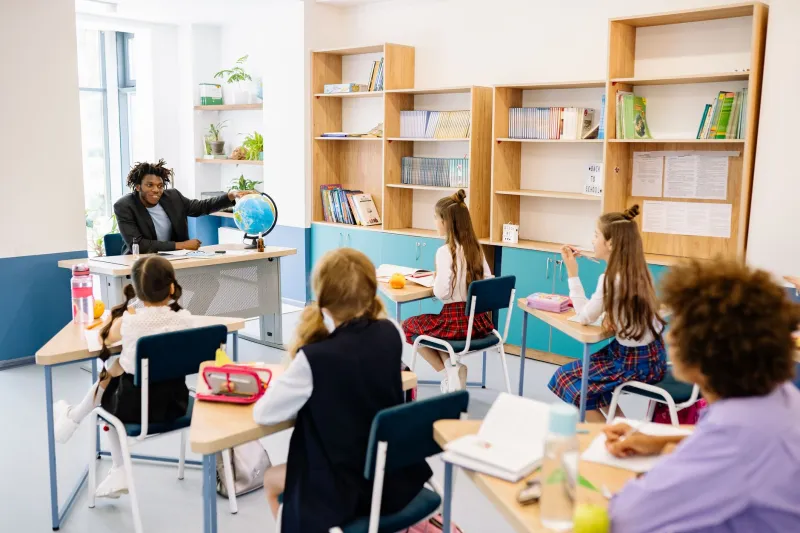
The committee, drawn from Year 10 to Year 13 and coordinated by two sixth-form leads, meets weekly in a classroom off the main corridor. Its brief is straightforward: recommend how the school's charitable funds should be spent. Its method is less so. Early in the term, members agreed a short application form for causes, asking three questions: what will the money do, who will it reach, and how will we know it worked?
The committee expects to distribute around £1,400 this term, drawn from non-uniform days, a pupil-organised quiz before half-term and a small reserve carried over from the summer. That figure is modest by the standards of large national campaigns, but it is enough to require choices. Pupils have divided the fund into three strands: local need, national organisations and a small international strand nominated by pupils themselves.
Three partners have been selected for 2026–27: a Cirencester food bank, a national literacy charity and a small overseas education project put forward by a Year 11 pupil. The committee did not simply divide the money equally. It debated whether to concentrate funds on one substantial grant or to spread several smaller sums across the year. Members settled on a mixed model: a £500 contribution to the food bank's winter appeal, two £250 grants for literacy resources, and a £150 micro-grant for the overseas project, with the balance held for the spring term.
The Tension Between Ambition and a Spreadsheet
The committee's most useful work has happened in the gap between what pupils would like to do and what a school charity budget can reasonably support. One proposal — to fund a minibus for a volunteering trip — was trimmed to bus fares after members realised that insurance and staffing costs sat outside their remit. Another idea, for branded wristbands to publicise a fundraising day, was rejected in favour of a plain donation. The minutes record the reasoning: visibility matters, but not at the expense of the cause.
Such decisions are less photogenic than a cheque presentation, yet they are where the learning sits. Pupils have had to distinguish between restricted and unrestricted funds, to ask whether a donor's intentions match a project's needs, and to recognise that a small grant can sometimes achieve more than a large one if it is well targeted. They have also learned to document their reasoning. Decisions are posted on a noticeboard in the main hall, and the committee publishes a short termly summary so that pupils and parents can see what was funded and why.
Houses, Day Pupils and a Shared Calendar
The committee's reach depends on the houses. Each house has a charity representative who brings proposals, reports back from meetings and organises collections. That structure has helped to connect boarding and day pupils, whose daily rhythms differ. Day pupils often leave promptly at the end of the school day; boarding pupils have more flexible evenings. Lunchtime meetings were chosen deliberately to keep both groups involved.
An inter-house quiz in October raised £312 and brought the houses together around a single cause rather than a competition between them. The committee is now preparing a whole-school fundraising day later this term, with stalls in the sports hall, a sponsored silence and a second-hand book swap. The aim is not simply to add to the total but to test whether the committee's process can work at scale. House representatives will run their own stalls, keep their own float and report takings back to the central team.
What Citizenship Looks Like on a Tuesday Lunchtime
For all the spreadsheets, the committee's most valuable output may be the habit of asking what a pound can reasonably achieve. Pupils have learned that charity is not a performance of generosity but a series of choices about scarcity. They have practised listening to pitches, asking respectful questions and accepting that not every good idea can be funded this year.
That lesson is particularly relevant in a rural county where need can be less visible than in a city. The food bank's representatives spoke about the pressures facing families in and around Cirencester, and pupils recognised that the school's own community is not insulated from those pressures. The committee has therefore kept a small contingency fund for requests that emerge during the year, rather than committing every penny in November.
As the term moves towards its final weeks, the committee will reconcile the buckets and the spreadsheet, count the takings and review what worked. The fundraising day will produce a headline figure, but the more durable result is a group of pupils who understand that citizenship is built through small, practical decisions: a trimmed budget, a posted minute, a cause chosen after careful argument rather than applause.