The Forecasters Beside the Pavilion: Rendcomb's Pupil Weather Team and the Value of Noticing
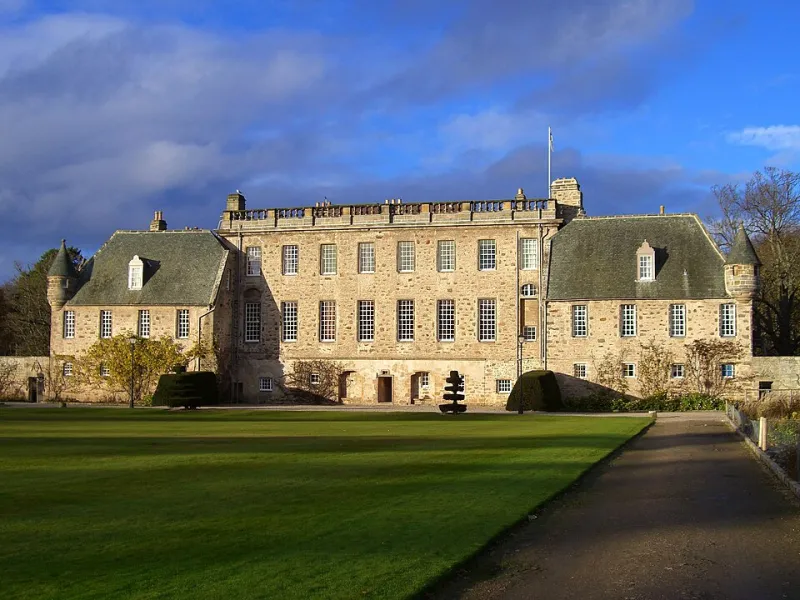
Photo: No machine-readable author provided. Nibaba assumed (based on copyright claims)., CC BY-SA 3.0, via Wikimedia Commons
As the winter term gathers pace in November 2026, much of the Rendcomb estate is judged by what can be seen: the colour of the trees, the state of the pitches, the condition of the paths. A less visible routine is also under way. Each morning, a small team of pupils checks instruments, records figures and compares what the sky has delivered with what was expected. Their weather station is modest in scale but increasingly valuable in purpose, providing a daily record that informs decisions across the campus.
A morning round, whatever the weather
The work begins early and rarely announces itself. Pupils visit the station to read rainfall, note temperature and frost, and assess wind direction and strength. They record what they find, check that equipment is clear and functioning, and pass the information into a system that grounds staff and colleagues can use. On a bright, still morning the task can seem straightforward. On a wet, gusty one it requires patience, waterproofs and a willingness to be outside when others are heading for shelter.
That reliability is the point. A weather record is only useful if it is kept consistently, including on days when nothing dramatic happens. The pupils are not chasing headlines. They are building a picture, one entry at a time, of how the estate behaves through autumn and winter. Their notes sit alongside wider forecasts, helping to turn a general outlook into something more local and practical.
From notebook to noticeboard
The station's output is already finding a place in everyday campus life. Grounds staff can use local rainfall and frost readings when planning work on pitches, paths and planting. Sports fixtures benefit from a clearer sense of ground conditions and the likelihood of overnight change. Boarding and day-to-day campus planning can also draw on the record when considering the small decisions that make a difference in winter: where ice may form, which routes may need attention, and how quickly conditions are shifting.
The pupils are careful not to overstate their role. They are not replacing professional forecasts, nor would they claim to. Their contribution is local knowledge: the reading taken on the spot, at the estate, on the day. That distinction matters. It teaches them how data becomes useful when it is accurate, timely and understood by the people who need it.
Mathematics in the mud
The educational value of the station stretches across departments. Geography gives pupils the language to think about weather systems, microclimates and the difference between climate and daily conditions. Mathematics gives them the tools to handle figures sensibly: averages, ranges, comparisons and the difference between an unusual day and a genuine trend. Science encourages careful observation and respect for method. Even the simple discipline of writing a reading clearly and at the same time each day has its own rigour.
There is also a lesson in uncertainty. Weather is not a tidy classroom exercise. Instruments can be affected by position, exposure and the sheer variety of British conditions. Pupils learn to ask why a reading might look unusual, to check before drawing conclusions, and to distinguish between what they have measured and what they are inferring. Those habits are valuable well beyond the station itself.
Sustainability beyond the slogan
Sustainability is often discussed in broad terms, but it becomes more concrete when pupils are asked to notice local patterns. Rainfall, frost and wind are not abstract data points. They affect soil, planting, drainage, energy use and the daily movement of people around the estate. By keeping a consistent record, the team is helping the College to understand its own environment rather than relying only on general regional figures.
That local record can support longer-term thinking about grounds management and outdoor learning. It also reinforces a simple principle: good environmental decisions begin with good observation. The pupils are not asked to solve every question. They are asked to contribute reliable evidence, which is a more honest and more useful starting point.
A quiet kind of leadership
The weather team is not the most visible pupil group at Rendcomb, and that is part of its character. Its members are not performing for an audience. They are learning that leadership can take the form of turning up, following a method and making sure the record is complete. They are also learning to communicate: how to present a reading clearly, how to flag a concern without alarm, and how to explain what the numbers mean to someone who needs to act on them.
For a school community, that quiet discipline is worth celebrating. It reflects the College's wider aim of helping pupils to become capable, considerate and useful beyond the classroom. The station gives them a genuine responsibility, however small, and shows that responsibility is often built through routine rather than spectacle.
Looking ahead
As Rendcomb moves deeper into the winter term, the team will continue its rounds. There will be mornings of hard frost, days of steady rain and perhaps the first sharp wind that makes the estate feel exposed. Each will be recorded. The value of that record will grow precisely because it is unglamorous and consistent.
The weather station may sit quietly beside the pitches and paths, but it is doing something important. It is helping pupils to read their surroundings, to understand the relationship between data and decisions, and to see that noticing the weather is not a small thing at all. In a community that values both academic curiosity and practical contribution, that is a lesson worth keeping.