Paper, Patience and Thanks: The Enduring Value of a Written Note at Rendcomb
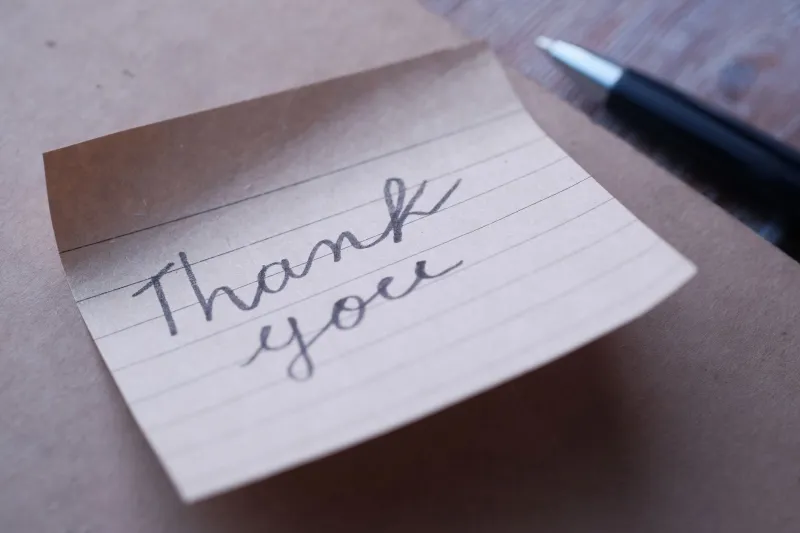
On a damp November afternoon, the Sixth Form study room at Rendcomb College is quieter than usual. A group of pupils is not revising, but writing. Fountain pens, notecards and a pot of stamps are spread across the table. The task is simple: a handwritten note to someone who helped make a recent community project possible.
It is a scene repeated across the college after trips, performances, sports fixtures and partnership visits. While pupils communicate constantly by phone and laptop, the handwritten note remains a deliberate exception. At Rendcomb, it is treated not as a quaint extra but as part of the education.
A Small Ritual with a Long Reach
The college’s approach is practical rather than sentimental. Pupils are encouraged to write after events that depend on the goodwill of others: a coach driver who waited in heavy traffic, a charity host who gave up a Saturday morning, a visiting musician who ran a workshop, a local resident who welcomed a group into a village hall. The note is a way of closing the loop.
‘It is easy to say thank you in the moment and forget it by the following week,’ says Mrs Helen Marsh, Head of Sixth Form. ‘A written note asks pupils to hold on to that moment a little longer. It also asks them to think about the person who made it possible. That is a useful discipline, whatever they go on to do.’
The practice is not confined to Sixth Form. Younger pupils write after residential trips and house events, often with a light touch from tutors. The expectation is not calligraphy or perfect prose. It is specificity: a sentence that shows the writer was paying attention.
Writing for an Audience of One
Mr Daniel Pryce, Head of English, sees the note as an exercise in audience awareness. ‘Pupils are not asked to produce polished essays,’ he says. ‘They are asked to be specific. A note that says “thank you for the trip” is polite; a note that mentions the moment the guide explained the Roman mosaic is memorable. That shift — from generic gratitude to observed detail — is the same shift we ask for in close reading.’
That emphasis on detail has a practical benefit. Pupils who write regularly after trips tend to reflect more carefully on what they gained from them. The note becomes a record, however brief, of a day that might otherwise blur into a busy term. It also gives staff a window into what pupils noticed: the kindness of a host, the unexpected challenge of a fieldwork task, the quiet contribution of a classmate.
From Trip to Table: How Notes Are Used
At Rendcomb, the handwritten note is woven into the rhythm of the year rather than saved for special occasions. After the autumn term’s community partnerships, pupils write to the organisations they visited. After performances in the college’s theatre, they write to visiting technicians, accompanists and front-of-house volunteers. After sports fixtures, captains are encouraged to write to opposing schools and officials.
The college does not keep a formal tally, and staff are keen to avoid making the practice feel like a bureaucratic requirement. Instead, tutors remind pupils at the right moment, supply notecards where needed, and model the habit themselves. A stack of thank-you letters from staff to visiting speakers sits in a pigeonhole in the main office — a small sign that the habit runs both ways.
‘It matters that pupils see adults writing notes too,’ says Mrs Marsh. ‘If we ask them to do it, we should be prepared to do it ourselves. It is not a test of manners. It is a way of showing that we value people’s time.’
What Pupils Say
Amelia, a Year 12 pupil, wrote to a local charity after a volunteering afternoon. ‘At first it felt old-fashioned,’ she admits. ‘But once I started, I realised I had something to say. I remembered one of the volunteers explaining how the food bank works, and I wanted to say that it had changed how I thought about our local area. It was easier to write that than to say it out loud.’
Tom, a Year 9 pupil, wrote after a geography field trip to the Cotswolds. ‘I thought it would take five minutes, but it took longer because I wanted to get it right,’ he says. ‘I wrote to the farmer who let us walk on his land. He wrote back. That was quite nice.’
For some pupils, the note is a first experience of formal correspondence: an envelope, a stamp, an address written by hand. For others, it is a chance to slow down. In a school week filled with deadlines and notifications, the act of writing a few sentences to one person is unusually focused.
A Habit Families Can Share
The practice is easy to revive at home, and it need not become another item on a busy weekend list. A small box of notecards, a pen that feels pleasant to use and a ten-minute slot after Sunday lunch are enough to begin. Parents might suggest three simple prompts: What did you notice? Who made the day easier? What will you remember?
It also helps if adults write alongside children rather than issuing instructions. A parent writing a note to a neighbour, a grandparent or a teacher models the habit far better than a reminder from the doorway. Letting children choose their own stationery — even if the result is brightly coloured and slightly uneven — gives the task a sense of ownership.
The college’s advice is to keep the bar low. A short, specific note is better than a long, reluctant one. And if a pupil forgets, a gentle prompt the following week is more effective than a lecture on manners. The aim is not a perfect letter but a moment of attention.
The Lasting Impression
In an era of instant communication, the handwritten note survives at Rendcomb because it does something that a message cannot. It asks the writer to pause, to choose a person, and to put something of themselves on paper. It is a small act of gratitude, but it leaves a lasting impression — on the recipient, and on the pupil who wrote it.
As the November light fades outside the study room, the pupils finish their notes. Some are short. Some are neatly folded. One pupil asks for a stamp and is given two. The table clears, and the letters go into the post. The habit, quietly, continues.